
Biozone Scientific partnered with the Rottinghaus Company - the world’s largest SUBWAY® franchisee - to take on a costly, persistent challenge: keeping ice machines clean, safe, and inspection-ready across hundreds of restaurants.
Based in La Crosse, Wisconsin, Rottinghaus operates more than 400 SUBWAY® locations across the Midwest. With scale came a major issue - ice machine maintenance was eating up time, money, and staff resources.
The Problem
Buildup
Mold
Yeast
That led to further issues such as:
Constant maintenance cycles
Risk of health code violations
Concerns over beverage quality
And the process wasn’t simple. Every cleaning meant shutting machines down, tearing them apart, using harsh chemicals, and throwing away usable ice—all while staff were already stretched thin.
The Solution
Icezone uses advanced Photoplasma™ technology to provide continuous automated ice machine hygiene, helping reduce mold, biofilm, and microbial buildup between scheduled cleans. The system runs automatically, requires no chemicals, and reduces the need for constant deep cleaning.
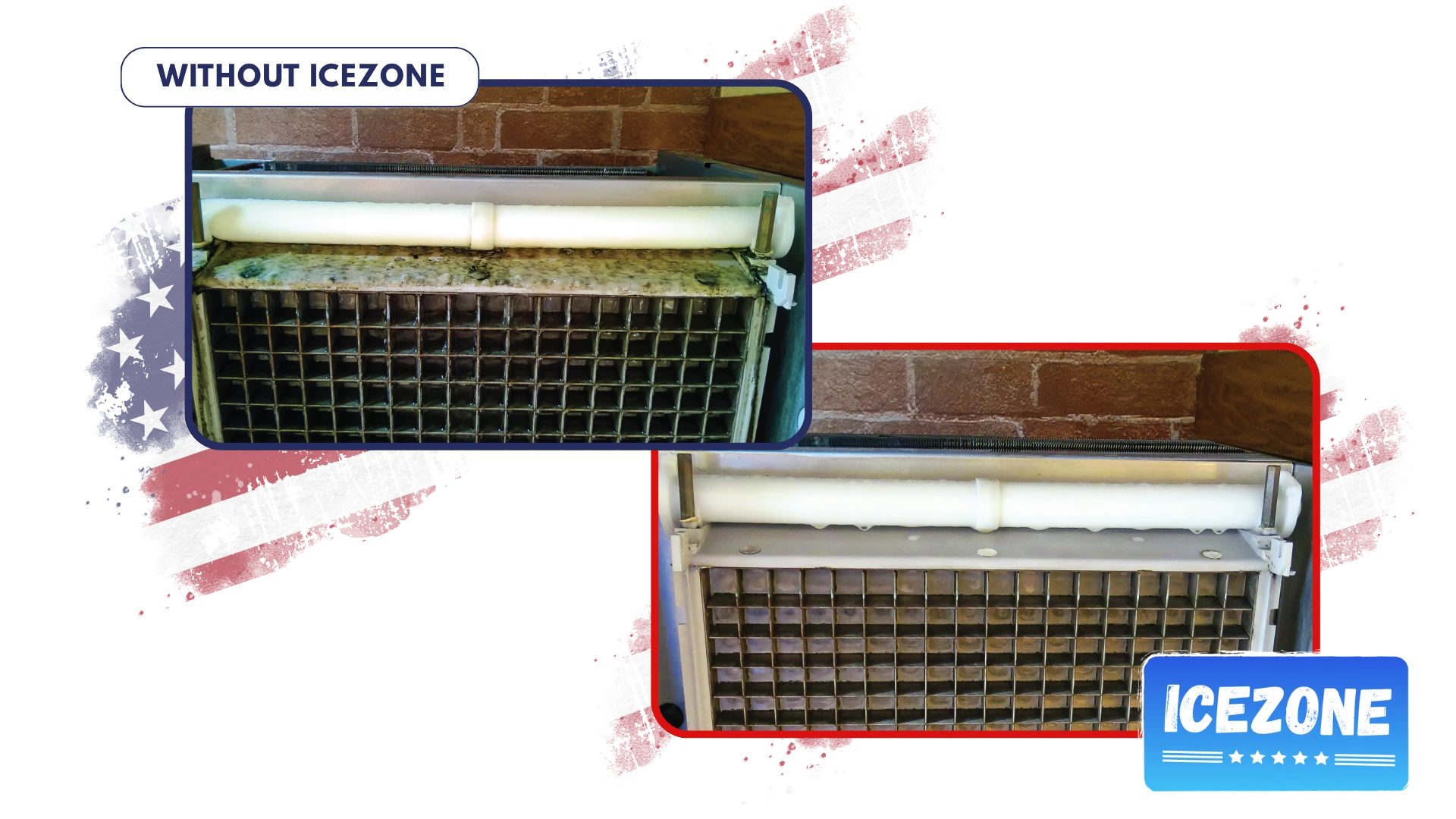
The Results
The impact was immediate and measurable:
Longer-lasting equipment across locations
The Challenge of Managing Ice Machine Hygiene Across Multiple Locations
Maintaining consistent ice machine hygiene across a large restaurant network can be difficult. Cleaning standards, staffing levels, maintenance schedules, and operational pressures often vary from site to site.
For franchise groups and multi-location operators, recurring issues such as mold, biofilm, scale buildup, and equipment downtime can create significant costs when multiplied across dozens or hundreds of locations.
Automated ice machine hygiene solutions help create greater consistency by supporting cleaner conditions between scheduled maintenance cycles.
Quick-Fire Questions
Why do restaurant ice machines require frequent cleaning?
Commercial ice machines operate in environments where moisture, organic matter, and microbial contamination can lead to mold, biofilm, and scale buildup over time.
What are the costs of poor ice machine hygiene?
Poor hygiene can increase maintenance costs, equipment downtime, labor requirements, service callouts, and potential food safety concerns.
How can multi-site restaurant operators improve ice machine hygiene?
Many operators use a combination of preventative maintenance, regular cleaning programs, and continuous hygiene technologies to maintain consistency across locations.
What are the benefits of automated ice machine hygiene?
Benefits can include reduced cleaning requirements, improved hygiene consistency, lower maintenance costs, fewer service interventions, and extended equipment lifespan.
Conclusion
It’s a clear example of how the right technology doesn’t just improve cleaning - it changes the entire way operations run.