
Mold isn’t just a household nuisance - it’s a serious problem in commercial refrigeration. It threatens food safety, damages equipment, and puts reputations at risk.
No matter how often they cleaned, it kept coming back - until they found a better way.
Why Mold Is a Common Problem in Commercial Refrigeration
For restaurants, foodservice operators, distributors, and cold storage facilities, recurring mold can increase cleaning requirements, impact food safety standards, and lead to additional maintenance costs. Preventing mold growth requires more than periodic cleaning, it requires maintaining cleaner conditions between cleaning cycles.
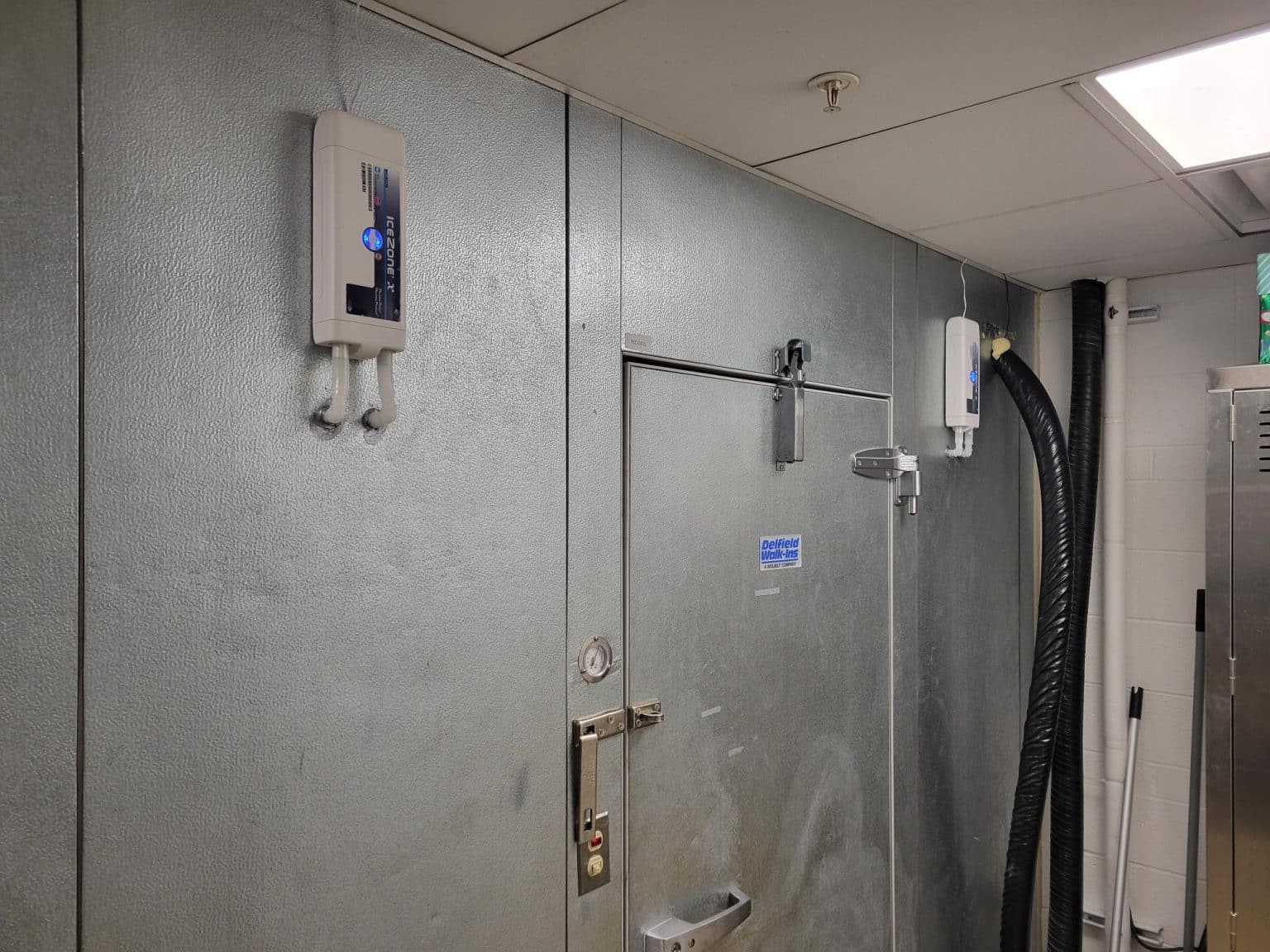
The Solution: Stop Mold Before it Starts
The result? A proactive, always-on defense inside the cooler.
The Results
"The results have been very good... showing NO GROWTH whatsoever." - Tim Curran, VP of Curran Taylor
How To Clean and Keep Your Cooler Mold-Free
If you’re already dealing with mold, here’s how to reset:
Then, to keep it from coming back:
Avoid overcrowding - airflow matters
Quick-Fire Answers
Why does mold grow in walk-in coolers?
Mold can develop when moisture, condensation, and organic matter accumulate inside commercial refrigeration equipment, particularly in areas with limited airflow.
How do you prevent mold in a walk-in cooler?
Regular cleaning, moisture control, proper airflow, preventative maintenance, and continuous hygiene technologies can help reduce mold growth.
Can mold affect food safety?
Yes. Mold contamination can impact food safety standards and may create operational and compliance concerns.
Does vinegar kill mold?
Is mold bacteria?
Is a moldy fridge safe?
No. Mold can contaminate food - even if you can’t see it.
Conclusion
With Icezone, they moved from constant cleanup to continuous protection, keeping their equipment clean, their food safe, and their operations running smoothly.