But once water leaves the tap, things become a little more complicated.
In cafés, restaurants, hotels, hospitals, and convenience stores, water is transformed into steam, coffee, beverages, and ice—sometimes all in the same drink. In an iced Americano, for example, hot water brews the coffee, steam helps create the beverage, and ice brings it down to temperature.
Of the three, ice is often the most overlooked when it comes to equipment hygiene and maintenance.
The Hidden Hygiene Challenge Behind Ice Machines
The ice machine, on the other hand, often operates quietly in the background for long periods of time. Unlike many other pieces of foodservice equipment, deep cleaning an ice machine can be a lengthy process involving disassembly, cleaning chemicals, rinsing, and downtime.
Over time, moisture and organic matter can create conditions where buildup, mold, and other hygiene concerns may develop if maintenance is inconsistent.
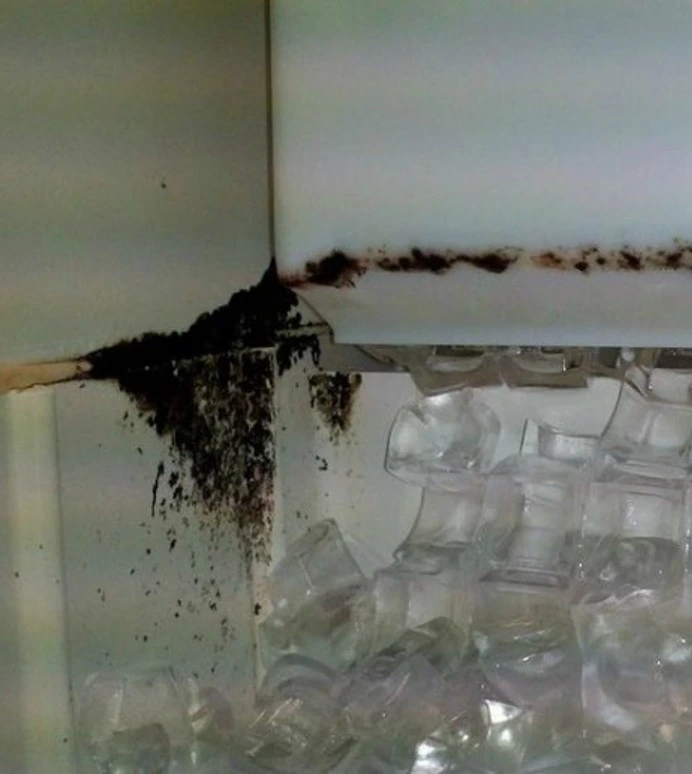
Is Ice Considered a Food Product?
According to the FDA, packaged ice is regulated as a food product, highlighting the importance of maintaining hygienic ice production equipment.
The Real Cost of Clean Ice
Typical cleaning programs may involve:
Cleaning Factor | Estimated Cost |
Quarterly professional deep cleaning | $250–$500/year |
Cleaning chemicals and staff labour | $100–$300/year |
Downtime during cleaning | Up to $500/year |
Repairs linked to maintenance issues | $500+ |
Compliance and reputation risks | Difficult to quantify |
Why Ice Machine Maintenance Is Still So Manual
Yet many ice machine maintenance programs still rely heavily on manual cleaning.
A full cleaning cycle can involve:
Partial disassembly of the machine
Manual scrubbing of internal components
Use of specialist cleaning chemicals
Thorough rinsing and drying
Equipment downtime before returning to service
While these processes remain important, they can be time-consuming and resource-intensive.
Supporting Ice Machine Hygiene Between Scheduled Cleans
Technologies such as UV-C and Photoplasma™ are increasingly being incorporated into equipment designs and hygiene management strategies to support ongoing cleanliness and operational efficiency.
When used appropriately, these technologies can help support ice machine hygiene programs without adding significant labour requirements.
Introducing Icezone
Icezone uses UV-C and advanced Photoplasma™ technology and operates continuously within the machine.
Key advantages include:
Continuous operation
Reduced operational disruption
No harsh chemical residues
Simple integration into existing maintenance programs
Support for cleaner ice production environments
Rather than replacing routine cleaning, Icezone is designed to complement existing maintenance practices and support cleaner conditions between service intervals.
Built for Real-World Foodservice Operations
The system is:
Compact and easy to install
Suitable for retrofit applications
Compatible with a wide range of commercial ice machines
Designed for long-term operational practicality
Frequently Asked Questions About Ice Machine Hygiene
Why is ice machine hygiene important?
Ice is consumed directly, making equipment cleanliness and maintenance an important part of foodservice operations.
How often should a commercial ice machine be cleaned?
Cleaning frequency varies depending on usage, environment, and manufacturer recommendations. Many operators follow regular cleaning schedules throughout the year.
Can ice machines develop mold and buildup?
Yes. Moisture and organic matter can create conditions where buildup may develop if maintenance is inconsistent.
Why does ice machine cleaning take so long?
Many machines require disassembly, manual cleaning, rinsing, drying, and restarting before returning to service.
How can businesses improve ice machine hygiene?
Regular cleaning, preventative maintenance, staff training, and technologies that support cleaner conditions between service intervals can all contribute to improved hygiene.
The Bottom Line
Ice may seem simple—but maintaining clean ice production equipment requires ongoing attention.
Traditional cleaning methods can be time-intensive, disruptive, and resource-heavy. As hygiene expectations continue to rise, many operators are looking for ways to support cleaner conditions between scheduled maintenance activities.
By combining routine cleaning, preventative maintenance, and technologies designed to support ice machine hygiene, businesses can help maintain consistent standards while reducing operational burden.