
Ice machines are everywhere; restaurants, hotels, hospitals, convenience stores. They run nonstop, and customers trust that what comes out is clean and safe.
Are you actually preventing contamination? Or just dealing with it after the fact?
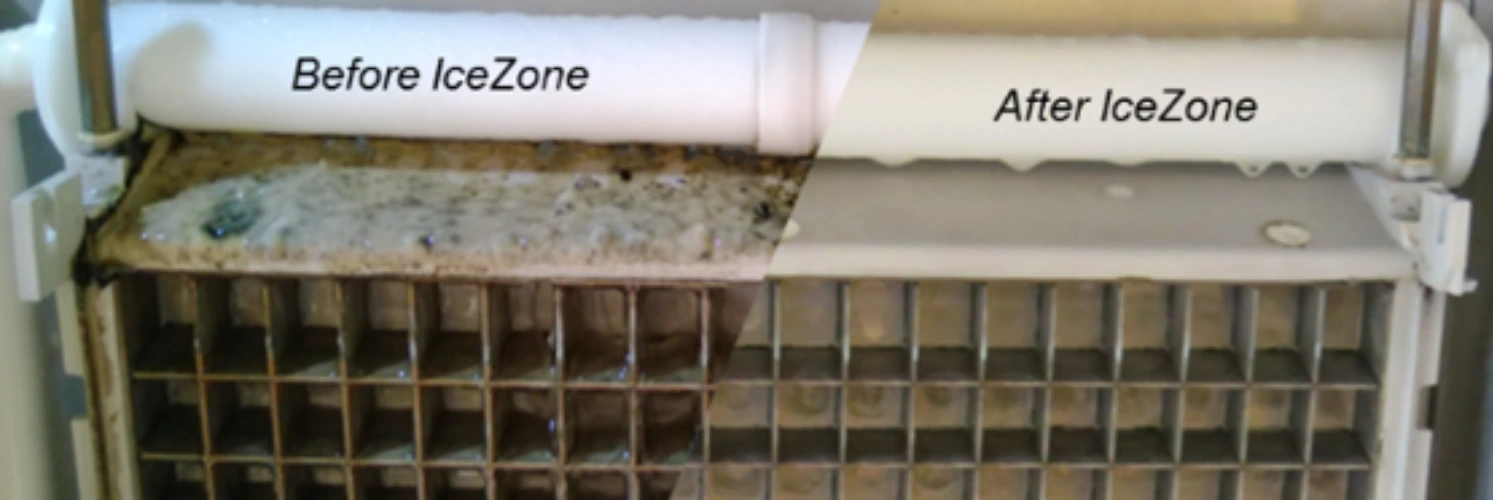
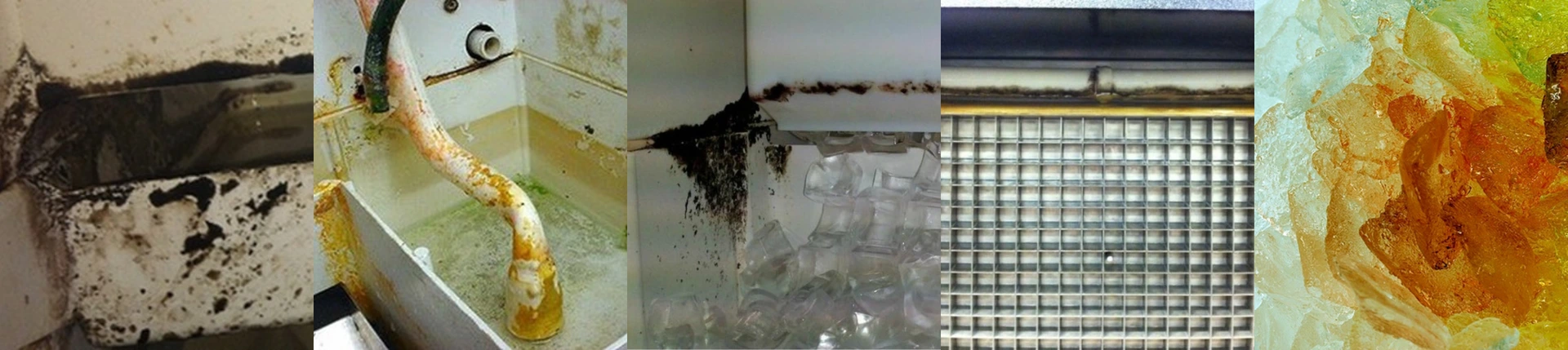
The Real Problem: What’s Hiding Inside Your Ice Machine
Key problem areas include evaporator plates, water lines, and storage bins - places that are hard to see and easy to miss.
The Real Cost of Cleaning
Cleaning Factor | Estimated Cost (USD) |
Quarterly professional deep cleaning | $250 - $500 / year |
Chemical cleaning kits + staff labour | $100 - $300 / year |
Downtime or shutdown losses | Up to $500 / year |
Equipment damage from irregular cleaning | $500+ (repair/replacement) |
Reputation/inspection penalties | Priceless |
How Do You Clean Mold From a Commercial Ice Machine?
To remove mold from a commercial ice machine:
Turn off and unplug the machine
Empty the ice bin and discard all ice
Use a food-safe, manufacturer-approved cleaner (such as nickel-safe descaler)
Disassemble and scrub components like the water distribution system, evaporator plate, and bin walls
Rinse thoroughly and sanitize all surfaces with a commercial-grade solution
Let the machine dry fully before restarting
Important: Manual cleaning must be done regularly - often every 1–3 months depending on usage and environment. But even this may not fully prevent microbial growth in between cleans.
Why Mold Returns After Cleaning
Many operators assume that cleaning removes the problem permanently. In reality, mold, biofilm, and microbial contamination can begin to return shortly after a cleaning cycle is completed.
Commercial ice machines provide a humid environment where microorganisms can quickly recolonize surfaces such as evaporator plates, water lines, and storage bins. While regular cleaning remains essential, many operators struggle to maintain consistently hygienic conditions between scheduled maintenance intervals.
This is why preventative hygiene strategies are becoming increasingly important in restaurants, hotels, healthcare facilities, convenience stores, and foodservice operations.
There’s a Better Way: Icezone – The 24/7 Cleaning Companion
Instead of reacting to contamination, Icezone works proactively:
Installs inside the machine
Uses UV-C and Photoplasma™ technology
Keeps machines cleaner between scheduled maintenance
Helps maintain NSF and health inspection standards
Icezone provides continuous automated ice machine hygiene, helping reduce mold, biofilm, bacteria, and microbial contamination between scheduled cleans.
Icezone: Lowering Costs & Better Compliance
Operators who use Icezone report:
Improved hygiene scores and fewer inspection issues
Fewer deep cleans per year
Extended machine life
Energy savings from cleaner coils and internal parts
Quick-Fire Questions
How often should a commercial ice machine be cleaned?
Cleaning frequency varies by manufacturer and operating environment, but many operators clean and sanitize machines every 1–3 months.
What causes mold in ice machines?
Moisture, darkness, and organic matter can create ideal conditions for mold and biofilm growth inside commercial ice machines.
Can mold grow in ice machines even if they are cleaned regularly?
Yes. Mold and microbial contamination can begin to return between scheduled cleaning cycles.
How much does commercial ice machine cleaning cost?
Costs vary but can include labor, cleaning chemicals, downtime, equipment maintenance, and professional cleaning services.
How can operators reduce ice machine maintenance costs?
Preventative maintenance, regular cleaning, and continuous hygiene technologies can help reduce cleaning demands and improve operational efficiency.
Don't wait for mold to become a problem.